Acupuncture for Stress and Sleep: Your First Visit Guide
Stress Can Make Sleep Feel Out of Reach
After a demanding day, it can be frustrating to lie awake feeling tired but unable to switch off. Thoughts keep circling, your body feels tense, and sleep seems farther away the more you try to force it. In Vancouver, early autumn can add another layer, with fuller calendars, changing routines, and darker October evenings.
When stress and sleep concerns begin affecting daily life, acupuncture may be one integrative care option to explore. People seeking acupuncture for stress and sleep in Vancouver often want to know what actually happens at a first appointment before they book. We believe that is a reasonable question. Your first visit is designed to look at the whole picture, not just one symptom. You can share concerns, ask questions, and decide whether acupuncture feels like a good fit for you.
Your First Visit Begins with Your Full Story
A Traditional Chinese Medicine, or TCM, assessment usually begins with a conversation. We will ask about your health history, what has brought you in, and what you hope to get from care. Stress and sleep can be part of that discussion, along with energy, digestion, mood, pain, menstrual health, medications, and everyday routines.
This broad conversation helps our practitioner understand patterns that may be relevant to your overall wellbeing. It is not about reducing you to one complaint or rushing through a checklist. Sleep can be affected by many parts of life, from a changing work schedule to discomfort, emotional strain, or habits that make it hard to settle at night.
Before your visit for acupuncture in Vancouver, it may help to jot down a few notes, including:
When you usually go to bed, wake up, and wake during the night
Current symptoms or recent changes in your health
Medications, supplements, and relevant diagnoses
Questions or concerns you would like to discuss
Our clinic has been part of Vancouver’s integrated health community for more than 16 years. We share a facility with conventional medical providers, including family medicine, pediatrics, dermatology, and physiotherapy. For many people, this setting feels reassuring because acupuncture can be considered as one part of a broader health plan.
Small Details Help Shape Your TCM Assessment
The first appointment may include questions that feel quite detailed. A TCM practitioner may ask about sleep timing, how often you wake, whether you feel rested in the morning, your appetite, digestion, energy, temperature preferences, stress levels, and daily habits. These questions help shape a personalized approach rather than a one-size-fits-all plan.
Traditional assessment methods may also be part of the visit. Your practitioner may observe your tongue and feel your pulse at the wrist. These are longstanding TCM assessment methods that help inform the practitioner’s approach. If you are unsure why something is being checked, or what it means for your session, you are always welcome to ask.
It is also helpful for us to know about practical concerns, such as:
Whether you have had acupuncture before
How comfortable you feel around needles
Pregnancy or the possibility of pregnancy
Current medications, sensitivities, or health conditions
People exploring acupuncture for stress and sleep in Vancouver often appreciate knowing that the assessment happens before treatment begins. You do not need to arrive with the “right” answers. Honest details about what your days and nights have been like are far more helpful than trying to make your experience fit a certain pattern.
Your Treatment Session Can Feel Calm and Unhurried
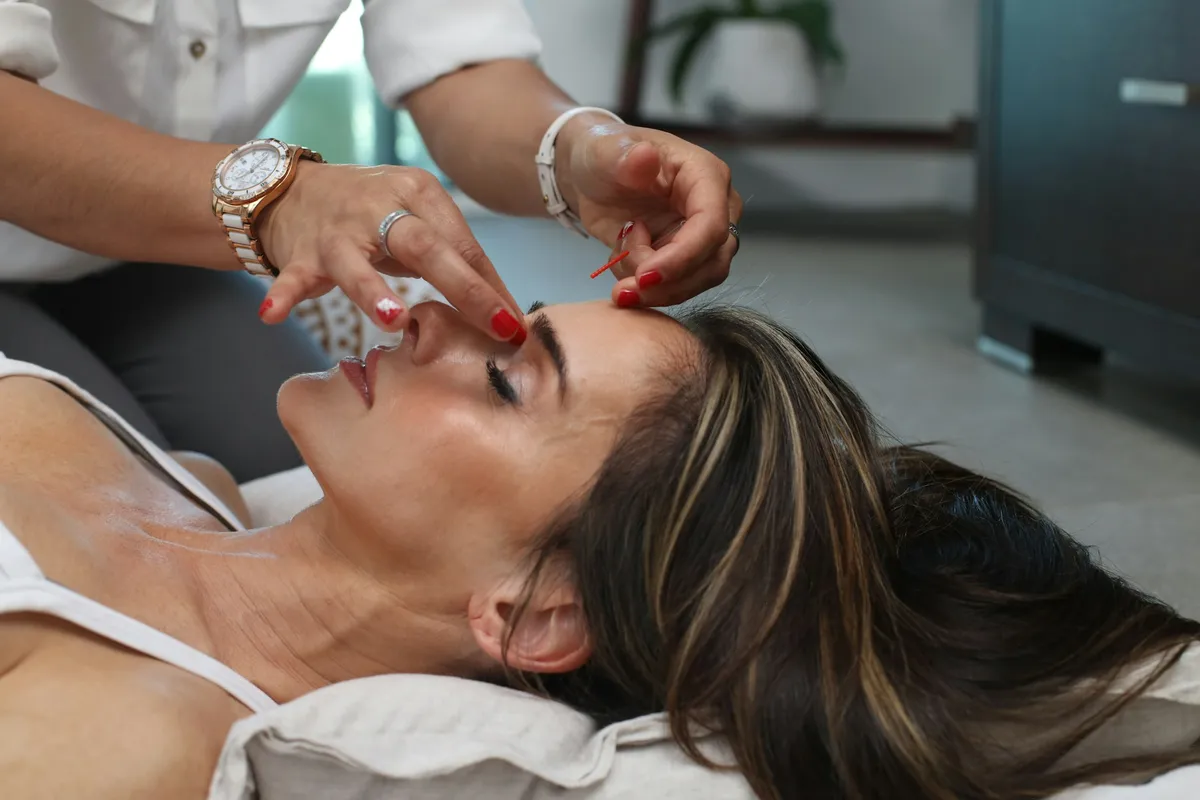
Once the assessment is complete, your practitioner may suggest an acupuncture treatment based on the discussion and your goals. Very fine, single-use needles are placed at selected points. You will generally have time to rest quietly while the practitioner allows the session to unfold without rushing.
Sensations vary from person to person. You may notice a brief pinch as a needle is placed, or perhaps warmth, heaviness, tingling, or no noticeable sensation at all. None of these experiences needs to be handled silently. If you feel uncomfortable, anxious, cold, or unsure at any point, let your practitioner know so we can support you.
Depending on your assessment, the appointment may also include a conversation about supportive daily habits. These discussions are personalized and are not meant to replace medical advice from your doctor or other regulated health professional.
A few simple preparations can make a first visit feel more comfortable:
Eat a light meal beforehand
Wear comfortable clothing that allows easy access to your arms and legs
Arrive with enough time to settle in
Leave some space after the visit instead of rushing straight to another commitment
Your Visit Schedule Should Match Your Needs and Goals
There is no universal number of acupuncture sessions. How often you book can depend on your concerns, health history, goals, schedule, and the plan you and your practitioner decide on after the initial assessment. Some people prefer to start with a short plan and review how they are feeling before deciding what comes next.
A useful first-visit conversation includes how acupuncture may fit alongside care from your family doctor or other health professionals. We encourage you to ask how changes will be tracked over time and when it makes sense to review the plan together.
Consider bringing these questions to your appointment:
What does the assessment involve?
What sensations are normal during treatment?
How often might appointments be recommended at first?
What should I do after a session?
Is acupuncture appropriate alongside my current care?
We offer evening and weekend appointments for people balancing work, family, and other commitments. If you would like to speak with us before deciding on an appointment, a free 15-minute meet and greet can provide a low-pressure chance to ask general questions and learn how our care setting works.
Take the First Step Toward More Supported Care
A first acupuncture visit is an opportunity to talk about stress, sleep, and your overall health in a supportive setting. Our award-winning team has been recognized with Vancouver Top Choice awards, and we take a collaborative approach to integrative care. You do not need to understand every part of TCM before your first visit, and you do not need to arrive with a perfect health history.
Bringing your questions, current concerns, and an open conversation is enough. A thoughtful assessment can help you understand what the process involves and whether acupuncture feels like the right next step for your needs.
Feel More Supported in Your Next Steps
At Crossroads Naturopathic Wellness Clinic, our team offers a calm, integrative approach to care, with evening and weekend appointments available. To arrange a visit for acupuncture in Vancouver, connect with us today. We also offer a free 15-minute meet and greet to help you decide whether our approach suits your needs.
