Vancouver Acupuncture + Lab Testing for Hormone Symptoms
When Hormone Symptoms Do Not Add Up Anymore
Hormone symptoms like fatigue, mood swings, heavy periods, or awful sleep can feel louder when Vancouver gets cooler, darker, and busier. You may be juggling work, kids, and shorter days, and still trying to figure out why your body feels off. You are told your bloodwork is normal. You are told to reduce stress and to get more sleep, but nothing really changes.
This is where pairing acupuncture with the right lab testing can sometimes offer more insight. When we look at both your symptoms and your lab picture, we can often see patterns that were easy to miss before. At Crossroads Naturopathic Wellness Clinic, we work in an integrative setting with naturopathic doctors, traditional Chinese medicine and acupuncture, IV therapy, counselling, and shared space with family doctors and specialists. That gives us a bridge between conventional and integrative care.
Our clinic has been part of Vancouver’s integrative health community for more than 16 years and has been recognized locally as a Vancouver Top Choice winner in 2022 and 2024. We also offer evening and weekend hours, plus both virtual and in-clinic visits to make care more accessible when life is busy.
In this article, we will walk through how practitioners offering acupuncture in Vancouver decide when to suggest lab testing for ferritin, thyroid, or cortisol, which symptoms might point to each, and what a more personalised plan may look like for you.
Why Integrative Acupuncture in Vancouver Looks Different
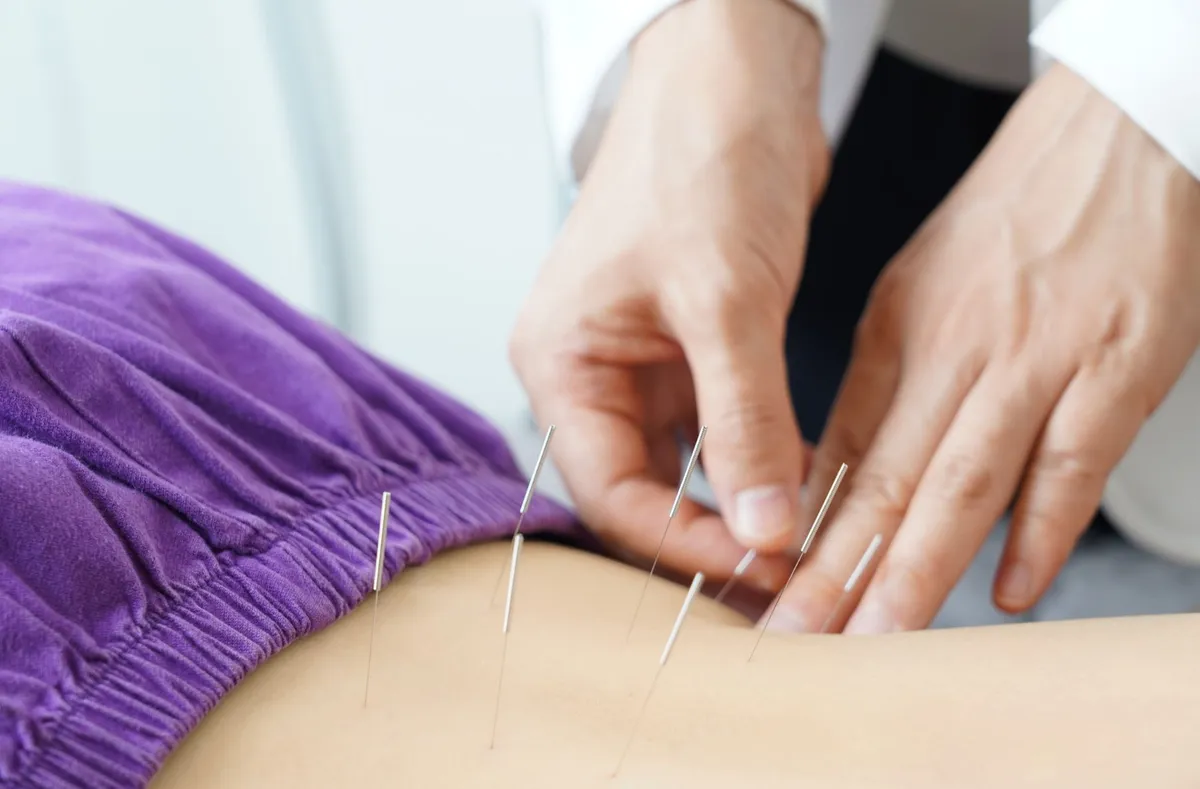
Acupuncture can be relaxing anywhere, but in an integrative clinic it becomes part of a broader hormone and women’s health plan rather than a stand-alone treatment. Before we even think about needle placement, we sit down and listen to your story.
We often ask about:
Cycle patterns, flow, and PMS
Energy dips, especially mid-afternoon crashes
Digestion, bloating, or bowel changes
Sleep quality and what wakes you up
Mood, anxiety, and past mental health history
Family history of thyroid, autoimmune, or iron issues
Our traditional Chinese medicine practitioners may talk about patterns like Qi stagnation or blood deficiency. Our naturopathic doctors are looking at how this lines up with modern labs like ferritin, thyroid hormones, or cortisol. We use both lenses, not one-on-the-other, to help decide where to focus.
Because we share a facility with conventional medical providers, it is often simpler to coordinate care and avoid repeating tests. For many people, the mix of virtual visits plus in-person acupuncture fits more easily into their schedules, especially on rainy, darker days when energy and mood can dip.
When Low Ferritin Might Be Hiding Behind Hormone Symptoms
Ferritin is like your iron savings account. It shows how much iron is stored and ready to support oxygen delivery, hair growth, and stable energy and temperature. For people with heavy periods, frequent pregnancies, or long-term stress, this bank can run low without being noticed.
Common clues that low ferritin could be part of your hormone picture include:
Heavy or long periods that leave you wiped out
Feeling drained by 3 p.m. or needing naps on weekends
Shortness of breath on stairs or during light exercise
Always feeling cold compared to others
Hair shedding more than usual in the shower or on your brush
Sometimes, standard bloodwork has not included ferritin, or it has been called "fine" even when symptoms feel strong. If someone is getting regular acupuncture but is still dealing with intense fatigue, headaches around their period, dizziness during menstruation, or slow recovery after illness, we may suggest discussing ferritin testing with a qualified healthcare provider.
A typical integrative plan might involve:
Acupuncture as one tool to address circulation, digestion, and menstrual balance
Nutrition guidance to increase iron-rich foods and absorption
Discussion about iron supplements if appropriate
Tracking symptoms across a few cycles to notice any patterns or changes
Not everyone needs ferritin tested. Decisions about labs and supplements are always made in a one-on-one visit with a qualified practitioner who can look at your full picture. This information is educational and not a substitute for personal medical advice.
Thyroid Clues Your Body Might Be Whispering
Your thyroid is like your body’s thermostat and engine. It helps set the pace for metabolism, mood, menstrual regularity, fertility, and how warm or cold you feel. When thyroid hormones are out of balance, the changes can be subtle at first.
We might start thinking about thyroid testing alongside acupuncture if you notice:
Periods suddenly getting much lighter or much heavier
Anxiety with heart palpitations or a racing feeling
Weight gain or loss without major changes in food or activity
Feeling mentally foggy, slower, or low in motivation
Dry skin, hair changes, or feeling unusually cold or hot
Many people have only had TSH checked. In some cases, we may talk about a fuller picture that can include free T4, free T3, and sometimes thyroid antibodies, especially if there is a family history of thyroid or autoimmune concerns.
While those labs are being sorted out, acupuncture can be included as part of a broader plan to address symptoms that often travel with thyroid shifts, such as stress, poor sleep, digestive discomfort, or menstrual changes. In an integrated clinic, we can share information with family doctors or endocrinologists when needed, so you are not left trying to coordinate everything on your own.
Cortisol, Burnout, and Why Stress Labs Matter More in Fall
Cortisol is your main stress rhythm hormone. It should gently rise in the morning to help you wake up, then slowly drop so you can relax at night. Chronic stress, long workdays, parenting, caregiving, or big life changes can push this rhythm off track.
Heading into darker months in Vancouver, many people describe:
Feeling wired but tired in the evening
Mid-day crashes that make it hard to focus
Anxiety that spikes at night when you finally slow down
Needing coffee to get going and something to calm down at night
If sleep is still poor despite good sleep habits, mood swings do not match up with the menstrual cycle, or recovery from illness or burnout feels very slow, we may talk about cortisol testing. This can be done in blood, urine, or saliva, depending on what makes sense for the person and the type of information needed.
Acupuncture is often used within integrative care to help calm the nervous system, support more restful sleep, ease tension, and settle digestive flare-ups that can come with stress. Cortisol testing is not for everyone. During your intake, we also look at mental health, counselling needs, and daily life load to see whether testing is helpful or if other supports should come first. Any decisions about testing are made collaboratively with you and your healthcare team.
What an Integrative Hormone and Acupuncture Plan Might Look Like
To put this together, imagine someone in their late 30s in the fall with heavy periods, low energy, mood swings before their period, and trouble staying asleep. In a visit, we would explore which pieces stand out most strongly. Are they freezing all the time and short of breath with stairs, which could point us toward ferritin? Are they gaining weight and feeling foggy, which might raise thyroid questions? Are evenings full of anxious thoughts and wired energy, suggesting a cortisol rhythm issue?
At Crossroads, a typical process often looks like:
A free 15-minute meet and greet to see if our clinic feels like a fit
A full intake visit, virtual or in-person, to map hormones, digestion, sleep, mood, and lifestyle
Deciding together whether ferritin, thyroid, cortisol, or other labs are indicated
Creating an acupuncture plan for the most pressing symptoms, like PMS, cramps, sleep, or anxiety
Optionally layering nutrition guidance, supplements, or IV therapy when it is appropriate
Regular check-ins help us adjust care as fall and winter habits shift, as holidays or travel add stress, or as illness pops up. No two plans are the same. What makes sense for someone in their 20s with painful cycles will look different from care for someone in their late 40s in perimenopause. The goal is to explore a mix of acupuncture, testing, and support that matches your body, not a one-size-fits-all protocol.
If you’re noticing that your hormone symptoms are not adding up or you feel stuck despite "normal" labs, you don’t have to sort it out alone. To learn what may be appropriate for your situation, book a free 15-minute meet and greet or contact Crossroads Naturopathic Wellness Clinic to schedule a virtual or in-clinic consultation with our team.
Support Your Health With Personalized Natural Care
If you are ready to address pain, stress, or ongoing health concerns with a holistic approach, we are here to help. At Crossroads Naturopathic Wellness Clinic, we take time to understand your unique needs and tailor treatments that fit your goals. Learn how acupuncture in Vancouver can be integrated into a broader wellness plan designed just for you. Reach out today to schedule your first visit and take a confident step toward feeling your best.
