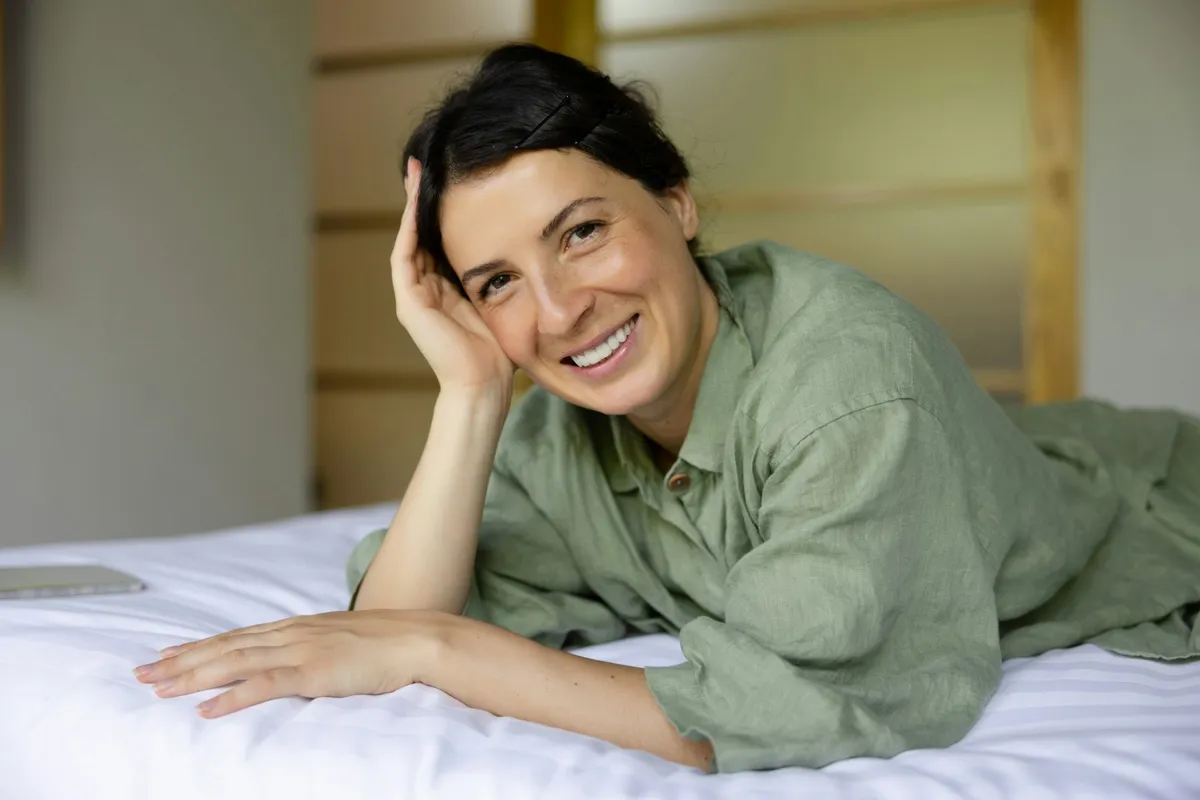
Vancouver Menopause Skin Changes and When to See a Naturopath
When Menopause Shows Up on Your Skin First
Menopause can first show up on your skin long before your period has fully stopped. You might notice more fine lines around your eyes, dry patches on your cheeks, or new breakouts along your jaw just as the warmer Vancouver weather is arriving. Many people blame a new serum, think they slept badly, or assume they suddenly “have sensitive skin.”
Often, these changes are actually early signs of hormonal shifts. Skin is one of the first places where perimenopause speaks up. At our clinic in Vancouver, we see skin as a mirror of what is happening inside your body, not just a surface issue.
In this article, we will walk through common skin changes in menopause, why they happen, simple ways to support your skin at home, and when it can help to work with a menopause naturopath in Vancouver for more complete, whole-person care. This information is for general education only and is not a substitute for personal medical advice.
Common Menopause Skin Changes You Should Not Ignore
When hormones start to shift, skin often reacts quickly. Some changes are mild and fade, others keep getting louder until they affect daily life or confidence.
Dryness, Dullness, and Sensitivity
Dropping estrogen can mean less natural oil and less collagen. Skin may feel:
Tight or papery after washing
Itchy, especially on the face, neck, or shins
Dull, like makeup sits on top instead of blending in
A weaker skin barrier is more easily irritated by hot showers, wind, or sun. As light reflects off the ocean, glass, and pavement around Vancouver, UV exposure can make redness and sensitivity even more obvious.
Adult Acne and Breakouts
Perimenopause often comes with a relative rise in androgens compared to estrogen and progesterone. This can increase oil in certain spots, especially around the:
Jawline
Chin
Lower cheeks
Hormonal breakouts often show up as deeper, sore bumps that return in the same areas, sometimes around the same time each month. Product or diet irritation tends to show as more scattered bumps or rough, itchy patches that appear shortly after a new product or food.
Pigment Shifts and Texture Changes
Many people notice:
Dark spots where past sunburns once were
Patches of melasma that get darker in the sun
Uneven tone and more obvious pores
Collagen slows down, so you may also see crepey skin, more fine lines, or slower healing from small cuts. These changes are common, but that does not mean you simply have to accept them without seeking support.
Why Hormones and Whole-Body Health Show Up on Your Face
Hormones, digestion, stress, and sleep are all connected to skin. When one part is out of balance, your face often tells the story.
The Hormone, Skin Connection in Plain Language
Here is a simple way to think about key hormones:
Estrogen is linked with collagen, moisture, and smooth texture
Progesterone helps balance estrogen and can have a calming effect
Androgens like testosterone can increase oil and breakouts if relatively high
As estrogen drops, skin may get drier and thinner. If androgens become more dominant, oil can pool in pores, which may contribute to more congestion, especially around the lower face.
Cortisol, your main stress hormone, also plays a big role. When stress is high for a long time, you might see more rashes, flare-ups of conditions like eczema, or breakouts that do not clear easily.
Digestion, Liver Function, and Your Skin
Your gut and liver help process hormones and remove what your body no longer needs. When this system is under strain, it can show up on your skin as:
More overall redness or flushing
New sensitivities to foods or products
Breakouts that seem linked to digestion or bloating
A menopause naturopath in Vancouver will usually ask about digestion, bowel habits, bloating, and food triggers. We see your skin as part of a bigger picture that includes how well you break down and clear hormones.
Sleep, Mood, and Lifestyle
Perimenopause and menopause often affect sleep. Hot flashes, night sweats, or anxiety can keep you awake or wake you in the early hours. Poor sleep gives your skin less time to repair its barrier. You may wake up puffy, dull, or more reactive.
Low mood and fatigue can also lead to:
Skipping skincare at night
Grabbing convenience foods instead of balanced meals
Reduced movement and more time indoors
All of this can make skin feel more fragile over time.
Gentle, Everyday Ways to Support Menopause Skin
While every person is different, small daily habits can offer steady support to your skin during hormonal change.
Rethinking Skincare Products
This is often a good time to simplify, not add more steps. Many people do well with:
A gentle, fragrance-free cleanser
A hydrating serum or lotion with simple, soothing ingredients
A richer cream at night if skin feels tight
Over-exfoliating with scrubs, peels, or strong acids can damage your barrier, especially as UV exposure climbs in summer. Less can truly be more.
Hydration, Nutrition, and Movement
From a naturopathic view, good skincare starts from within. Helpful general habits can include:
Drinking water regularly through the day
Including omega-3 rich foods to support moisture balance
Eating colourful vegetables and fruits for antioxidant support
Getting enough protein for collagen and skin repair
Gentle movement, like walking along the seawall or in a nearby park, supports circulation and stress balance, which your skin often reflects.
Seasonal Habits for Warmer Months
As days get brighter, it becomes even more helpful to protect your skin. Many people benefit from:
Daily mineral sunscreen on face, neck, and chest
Hats, sunglasses, and seeking shade when UV is high
Cooling tools, like a fan or cool cloth, during hot flashes
Managing body heat can reduce flushing and may help calm rosacea-like redness that can flare with temperature changes.
When It’s Time to See a Menopause Naturopath in Vancouver
Some skin changes settle with gentle care and time. Others are a sign that your body is asking for more focused support.
Signs You Should Not Just “Wait and See”
Consider seeking professional help if you notice:
Rashes or itch that keep you up at night
Severe dryness that cracks or stings
Breakouts that are painful or leave marks
Sudden skin thinning, easy bruising, or unusual hair loss
These signs can be linked to hormones or other health concerns that deserve proper attention and an individual assessment.
How a Naturopathic and TCM Approach May Support You
In an integrated naturopathic and traditional Chinese medicine clinic, we look at the whole person rather than only focusing on one cream or one symptom. Depending on your needs, care may include:
A detailed hormone-focused assessment based on your symptoms and history
Support for digestion and liver function through nutrition guidance
Acupuncture aimed at supporting stress balance and overall well-being
Counselling to help with mood changes and life stressors around menopause
These approaches are used to support your body’s natural processes and overall well-being, not to promise specific results. What is appropriate can vary greatly from person to person.
Working Alongside Your Medical Doctor
Skin changes can sometimes be a sign of conditions that need medical tests or treatment. It is important to keep your family doctor or dermatologist in the loop, especially if symptoms are sudden, severe, or worrying.
Integrative care means we are happy when patients work with both conventional and naturopathic providers. Each brings a different lens, and together you can often build a more complete, whole-person plan.
Next Steps for Calmer, Healthier-Feeling Skin Through Menopause
If your skin has changed quickly during perimenopause or menopause, it is normal to feel frustrated or self-conscious. You might not recognise your own face in the mirror, some days. You do not have to figure out hormones, skin, and lifestyle shifts all on your own.
At Crossroads Naturopathic Wellness Clinic in Vancouver, we take time in a first visit to talk through your symptoms, health history, daily habits, and goals. From there, we create a plan that is personal to you, drawing on naturopathic medicine, traditional Chinese medicine, and counselling support. We work with women and families at many stages of life, from early perimenopause through healthy aging, with the aim of helping your skin feel calmer and more at home in every season.
If you have questions about your own skin or menopause symptoms, we recommend booking a consultation with one of our practitioners. We can help you explore what might be driving your symptoms and discuss which integrative options could be appropriate for your unique situation. This article is for educational purposes only and is not medical advice; for any concerns about your health, please contact your healthcare provider or reach out to our clinic to schedule a visit.
Feel More Like Yourself With Personalised Menopause Support
If you are ready to address hot flashes, sleep issues, and mood changes with a tailored, evidence-informed plan, we are here to help. At Crossroads Naturopathic Wellness Clinic, we take the time to understand your unique experience so we can create a care strategy that fits your body and your life. Connect with our menopause naturopath in Vancouver to explore natural options that work alongside your current healthcare. Book your first visit today and take a clear next step toward feeling balanced and supported.
