Post-SIBO Care in Vancouver: Support Motility and Prevent Relapse
Finally Past SIBO, Now How Do You Stay Better?
Finishing SIBO treatment in Vancouver can feel like a huge relief. The bloat is down, your jeans fit better, and you are not scared of every meal. At the same time, there can be a quiet worry in the background: what if the SIBO comes back?
SIBO, or small intestinal bacterial overgrowth, simply means there are too many bacteria living too high up in the gut. Treatment focuses on clearing those extra bacteria, but that is only one phase. Many people, especially busy women juggling hormones, work, and stress, find that relapse is common when there is no plan for what comes next.
Post-SIBO care is that next phase. It includes supporting gut motility, rebuilding the gut lining, calming the nervous system, and knowing when retesting makes sense. At Crossroads Naturopathic Wellness Clinic in Vancouver, we work in an integrative setting alongside conventional medical providers to help with this bigger picture. We share a facility with family doctors, pediatrics, dermatology, and physiotherapy, so your care can be coordinated instead of scattered. Our award-winning team (Top Choice 2022 & 2024) has been practicing integrative medicine for over 16 years, as one of the area’s original integrated clinics.
What follows is general education, not medical advice, and works best when it is personalized to you. For questions about your own symptoms, it’s important to book a visit so we can look at your specific situation.
Why Post-SIBO Motility Matters More Than You Think
Motility is how the muscles of your digestive tract move food and fluid along. Between meals, your gut has gentle waves, often called the cleaning or housekeeping waves, that sweep leftover food and bacteria down toward the large intestine. After SIBO, these waves can be weaker or out of rhythm.
When motility is slow, bacteria can collect again in the small intestine. This can show up as:
Bloating or distension after meals
Constipation or alternating loose stools
Nausea, reflux, or feeling full after just a few bites
Low energy or issues with nutrient absorption
Many things can affect motility, such as stress, hormone shifts around your period, thyroid function, certain medications, and old gut infections. Perimenopause and postpartum can be times when symptoms change quickly.
Gentle daily habits can support gut flow, for example:
Regular meal times with breaks between meals
Light movement, like a short walk, after eating
Drinking enough water across the day
Avoiding late-night snacking so your gut can have cleaning waves while you rest
In an integrative setting, we can also look for underlying issues that might slow motility, such as low thyroid, low iron or B12, or nervous system strain. Lab testing and shared care with the family doctors and other specialists in our building can help create a plan that makes sense for your body.
Using Diet to Support Motility Without Feeling Deprived
Many people are unsure what to eat after SIBO treatment in Vancouver. A common question is whether they need to stay low FODMAP forever. Restrictive diets are meant to be temporary tools, not a life sentence.
A thoughtful reintroduction plan might include:
Bringing back one new food at a time
Starting with small portions and slowly increasing
Keeping a simple symptom journal with notes on timing
Watching for patterns over a few days, not just one reaction
Over time, the goal is a varied, satisfying diet that supports motility and gut lining. Helpful building blocks can include:
Adequate protein from meat, fish, eggs, tofu, or legumes if tolerated
Cooked vegetables that are easier to digest at first
A mix of fibres as you are ready, including oats, seeds, and a range of produce
Healthy fats from olive oil, avocado, nuts, and seeds
Hydrating foods, like cucumbers, melons, zucchini, berries, or tomatoes in warmer months
Women’s needs can shift with the menstrual cycle, pregnancy, postpartum, and perimenopause. Cravings, bowel habits, and bloating can all change with hormone swings. Working with a naturopathic doctor who understands women’s health and hormones can help match your nutrition to both your hormones and your gut.
When digestion has been under strain, it can be harder to keep up with nutrients like iron, B12, and magnesium. In some cases, IV therapy may be considered to help with repletion as part of a wider care plan. This is not a guarantee of specific results, but one possible tool among many. Emotional eating, fear of food, or anxiety about relapse are also common after SIBO. Counselling support can be helpful to build a calmer relationship with food again.
Prokinetics, Acupuncture, and Gentle Supports for Gut Flow
Prokinetics are tools that help keep the gut’s conveyor belt moving, especially between meals. They do not replace food or lifestyle shifts, but they can play a role in supporting gut flow after SIBO treatment.
There are a few types:
Prescription prokinetics, usually managed by medical doctors
Herbal or nutraceutical supports, guided by naturopathic doctors
Lifestyle “prokinetics,” like movement and meal spacing
Which type makes sense depends on your symptoms, other health conditions, and medications. This is where having both naturopathic and conventional providers involved can be helpful.
Acupuncture is another gentle option used by many people with IBS, SIBO, and hormone concerns. It is often used to support motility, reduce stress, and ease abdominal discomfort. Sessions are usually calming, and many patients notice shifts in sleep and tension as well.
IV therapy may also be part of care when digestion and absorption have taken a hit. It is not a stand-alone cure and does not guarantee specific outcomes, but it can sit alongside work on nutrition, prokinetics, and motility supports as part of an individualized plan.
Stress, Nervous System Balance, and SIBO Relapse Risk
Gut motility is closely tied to your nervous system. When your body is in fight-or-flight mode, digestion can slow down. When you are in rest-and-digest mode, your gut may move more smoothly.
Common stressors in daily life in Vancouver can include long commutes, demanding jobs, caring for kids or aging parents, and a full calendar. For many women, this load can show up as:
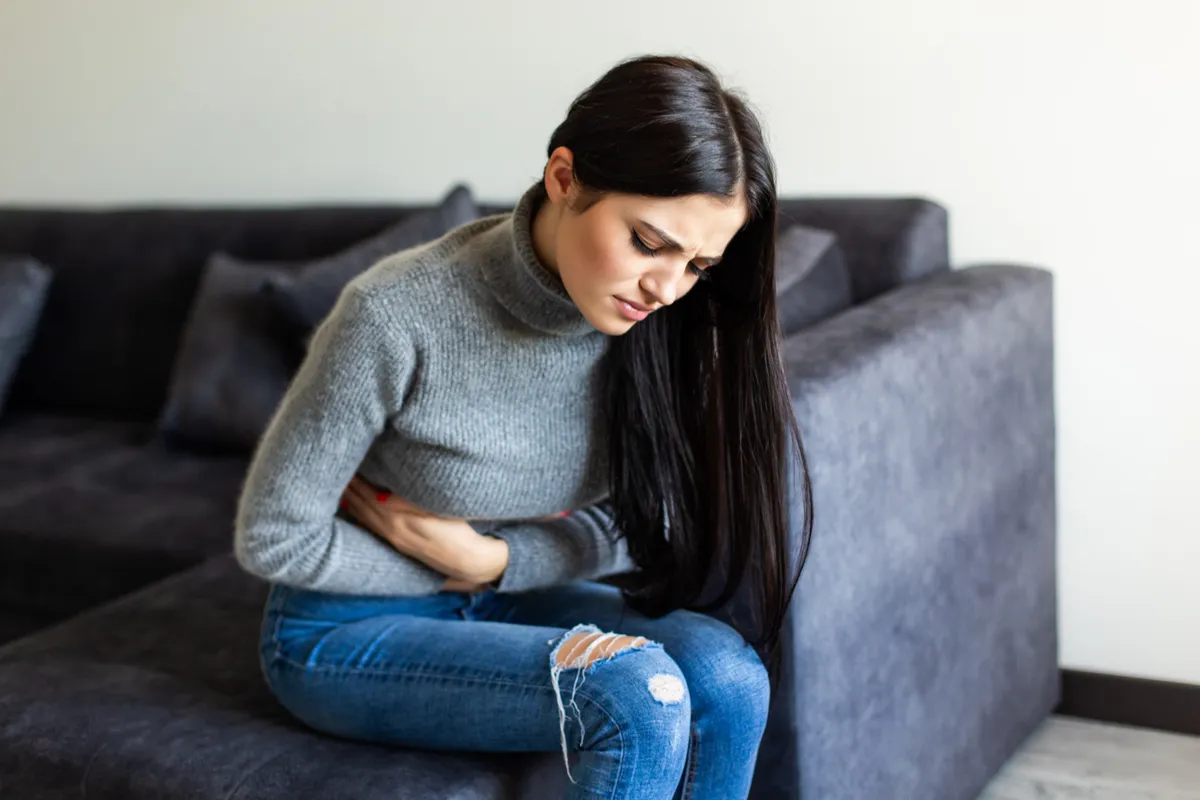
Tightness or pain in the stomach area
Bloating or cramping on stressful days
Loose stools before big meetings or events
Trouble sleeping, then more gut symptoms the next day
Simple, realistic practices can support the nervous system without needing an hour-long routine. For example:
A 5-minute breathing break between tasks or before meals
Gentle stretching or a short walk after dinner
Tech boundaries before bed, such as a screen cut-off time
Basic sleep routines, like dim lights and a regular bedtime
Counselling, mind-body therapies, and acupuncture can all help lower anxiety and support better sleep. Over time, this may help motility and hormone balance feel more stable. At Crossroads, we offer evening and weekend hours, plus both virtual and in-clinic appointments, to make it easier to keep these supports in your schedule.
When and How to Retest After SIBO Treatment in Vancouver
It can be tempting to retest right after finishing antibiotics or herbal protocols, just to “make sure it worked.” In many cases, it is more helpful to watch symptoms, bowel habits, and energy for a period of time first, while you work on motility and diet.
Retesting for SIBO might be considered if:
Bloating, pain, or bowel changes never really improved
You felt better but symptoms returned quickly
You have thyroid, hormone, or autoimmune conditions in the mix
You have had several past relapses
SIBO breath tests are usually done at home. You drink a sugar solution, then blow into small tubes at set times. These samples are checked for gas patterns. The results are most useful when looked at alongside:
Your symptom history
Your current diet and past restrictions
Your medication list and supplements
Stress level, sleep, and hormone stage of life
Self-diagnosing based on old test results or online stories can lead to repeated treatment rounds that miss the real issue. Working with a provider experienced in SIBO and women’s gut and hormone health in Vancouver can help decide if retesting is worth it, and what to do with the results. At Crossroads Naturopathic Wellness Clinic, we draw on targeted lab testing, including breath tests and broader panels when needed, and we share a space with family doctors and other conventional providers so care can be truly integrated.
Next Steps: Get Personalized Post-SIBO Support
If you are worried about SIBO relapse, ongoing bloating, or how your hormones and gut are interacting, you do not have to sort it out alone. Our team at Crossroads Naturopathic Wellness Clinic offers both virtual and in-clinic visits, with evening and weekend hours to fit busy schedules.
You can start with a free 15-minute meet & greet to see if we are a good fit for your needs and ask questions about our approach. To book a consult or your complimentary meet & greet, contact our clinic or schedule online and we will help you plan the next steps in your post-SIBO care.
Start Your Personalised SIBO Healing Plan Today
If you are ready to address your symptoms at the root, we are here to help with comprehensive assessment and evidence-informed care. At Crossroads Naturopathic Wellness Clinic, our naturopathic doctors create individualized treatment plans tailored to your digestion, lifestyle and health history. Learn how our approach to SIBO treatment in Vancouver can support long-term gut health and overall wellbeing. Book your first visit today so we can begin mapping out the next steps in your recovery.
