Unexplained Bloating in Vancouver Women: Non-SIBO Causes and Red Flags
When Bloating Will Not Go Away and “Normal” Tests Do Not Help
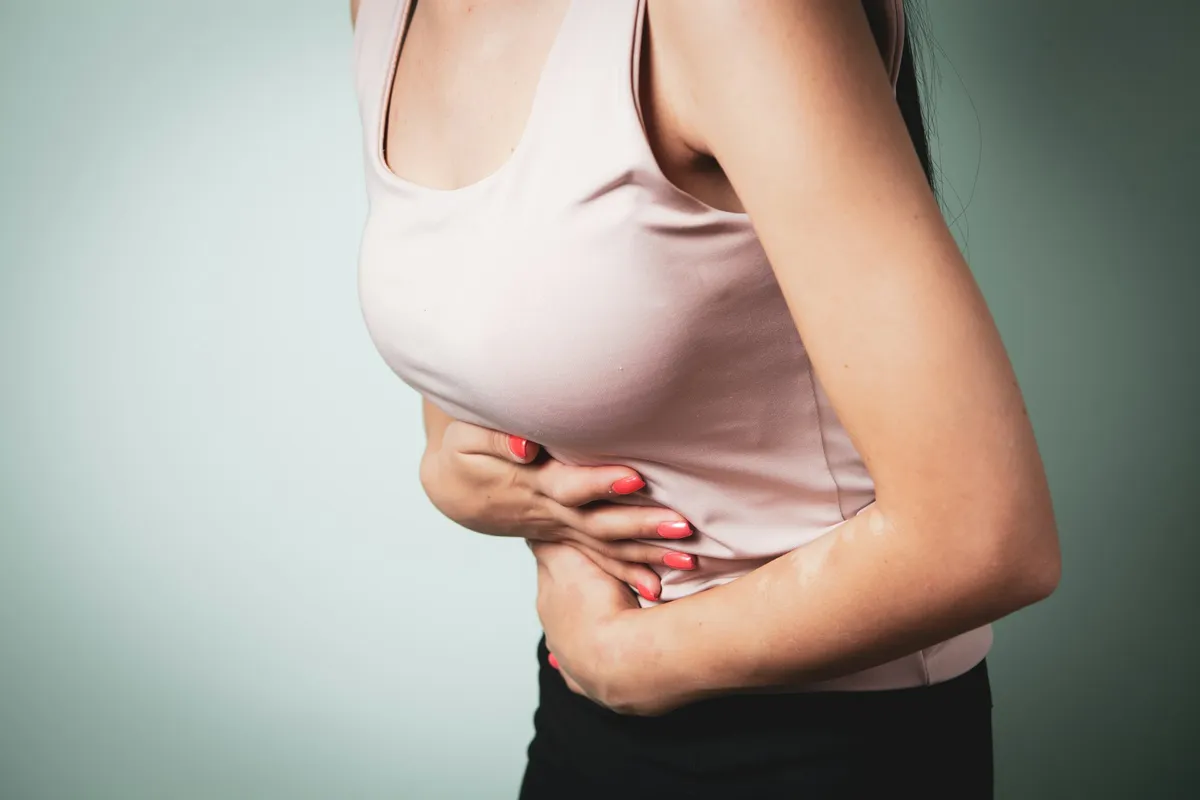
Persistent bloating can be exhausting. Many women in Vancouver are juggling work, kids, relationships, and a busy social life, yet their abdomen feels tight, swollen, or heavy most days. It may seem worse after meals, in the evening on the couch, or around their period. Clothes feel snug, energy is lower, and it starts to affect confidence and mood.
For many, basic bloodwork, an ultrasound, or a quick exam come back “normal.” They may hear that it is “just IBS”, stress, or that nothing serious is going on. Short-term fixes like antacids, laxatives, or gas-reducing pills might help a little, but the bloating keeps coming back. This is often when people start searching for SIBO treatment in Vancouver and wondering if that is the missing piece.
At our clinic, we see bloating as a common symptom, but not always a normal one. It is a signal that something needs attention, and it deserves a thorough, step-by-step look. Before jumping straight into SIBO testing or protocols, there are several other important causes that we like to consider first, including food triggers, constipation patterns, pelvic floor issues, and hormone or gynaecological concerns.
Food Triggers, Social Eating, and Everyday Habits
Food is often the first place many people blame, and sometimes that is for good reason. Certain foods can be harder to digest and may lead to more gas and bloating, especially when eating out more often or enjoying heavier comfort foods.
Common triggers can include:
High FODMAP foods like onions, garlic, beans, and some fruits
Gluten-containing grains like wheat and barley
Dairy products such as milk, ice cream, or some cheeses
High sugar treats and desserts
Carbonated drinks and alcohol
Bloating linked to food often shows a pattern, like:
Swelling or gas within a few hours of eating
Feeling worse after restaurant or takeout meals
Symptoms calming down with simpler home-cooked meals
A heavy or “food baby” feeling after large, mixed meals
In Vancouver, it is easy to grab food on the go between SkyTrain rides or after a long, rainy commute. Eating quickly, while stressed, or late at night can confuse the gut even when the food itself is not the main problem. Our digestion works best when we are calm, chewing well, and not rushing.
Instead of trying random elimination diets, which can become very restrictive and stressful, we prefer a structured nutrition assessment. That might include guided tracking of:
What you eat and drink
When you eat
How you feel in the hours and days after
Often, before exploring SIBO treatment in Vancouver, it makes sense to look at these basic patterns. Sometimes, thoughtful changes to meals and eating habits can lower bloating enough that more complex treatments are not needed.
Constipation, Pelvic Floor Dysfunction, and the “Backed up” Feeling
Many women say “I am not constipated, I go every day,” yet their bloating tells another story. Constipation is not only about how often you go. It can also be about how fully you empty and how hard your body has to work to do it.
Signs that your bowels might be part of your bloating include:
Needing to strain or push often
Feeling like stool is “stuck” or does not fully pass
Going multiple times a day but never feeling empty
A heavy, full, or pressurized feeling low in the abdomen
The pelvic floor muscles play a big role here. These are the muscles that support the bladder, uterus, and bowel. If they are too tight, not relaxing at the right time, or not well coordinated, it can be hard for gas and stool to move through. This can cause:
Trapped gas and bloating
Pain with bowel movements
Leakage or urgency
A sense of pressure in the pelvis
Sitting at a desk for long hours, doing high-intensity workouts without enough recovery, postpartum changes, and chronic stress can all affect pelvic floor function. In these cases, no amount of digestive herbal tea will fully shift the pattern, because the main issue is mechanical, not just in the gut lining or microbiome.
This is where an integrative approach is helpful. Sometimes the next step is to collaborate with a pelvic floor physiotherapist while we support digestion, hydration, and bowel regularity. Bloating tied to pelvic patterns often needs more than digestion-focused therapies alone.
Hormones, Endometriosis, and Ovarian Cysts
If your bloating clearly changes with your cycle, hormones may be part of the picture. Some women notice their abdomen looks and feels more distended:
Right before their period
Around ovulation
Or in a repeating pattern across the month
This kind of “cyclical bloating” can point toward a gynaecological cause, not only a digestive one.
Endometriosis is one condition that can come with intense bloating, sometimes called “endo belly”. Other features can include:
Severe period pain that interferes with daily life
Pain with intercourse
Pain with bowel movements or urination, especially during the period
Very heavy periods
Concerns about fertility
Ovarian cysts can also create pressure or swelling in the lower abdomen. Many cysts are harmless and are only found by chance on imaging. Others can be associated with:
Pelvic pain or a dull ache
A sense of fullness or heaviness
Sudden severe pain if a cyst ruptures or twists
Naturopathic and traditional Chinese medicine care can support symptom relief, hormone balance, and overall well-being, but diagnosis of endometriosis or problematic ovarian cysts needs medical assessment. At our clinic, when someone comes in for unexplained bloating, we make sure to review:
Menstrual history
Pain patterns throughout the month
Family history of endometriosis or ovarian concerns
If those pieces raise concern, we would discuss referral back to a family doctor, gynaecologist, or imaging before focusing heavily on SIBO treatment in Vancouver.
Red Flags and When Bloating May Need Faster Follow-up
Most bloating is not an emergency. Still, there are times when it can be a sign of something more serious that needs timely care. Rather than trying to interpret these signs on your own, it can be helpful to speak with a licensed healthcare provider if bloating appears together with any of the following:
Unintentional weight loss
Blood in the stool or black, tarry stools
Persistent vomiting or trouble keeping fluids down
Difficulty swallowing or food getting “stuck”
New or rapidly worsening pain
Fever or feeling very unwell
A sudden change in bowel habits after age 40 to 50
There are also important gynaecological warning signs, such as:
Severe, one-sided pelvic pain
Period pain so strong it regularly disrupts work, school, or sleep
Pain with sex that is ongoing
Bloating plus feeling full quickly, especially with fatigue or appetite changes
Bloating can also take a big toll on mental health. If it is linked with:
Strong anxiety about food or your body
Avoiding social events or work
Skipping meals or very restrictive eating patterns
then it can be a cue that broader support could be helpful, not just gut-focused care.
In an integrative clinic, part of our role is to help sort out when conservative, naturopathic strategies may be appropriate to explore, and when it may be more suitable to recommend urgent care, imaging, or specialist input. Any clinic offering SIBO treatment in Vancouver benefits from carefully screening for these broader patterns and warning signs before attributing symptoms to “just functional gut issues”.
Taking the Next Step Toward Answers and Relief
If you have been living with bloating for months or years, it can be tempting to ignore it or to blame yourself. You might feel stuck, especially if tests were “normal” and simple fixes did not work. Our view is that your symptoms are valid and that a careful, whole-person assessment is often the first real turning point.
Before focusing on SIBO, we like to explore other common contributors: food triggers and eating habits, constipation and pelvic floor dysfunction, hormonal patterns, endometriosis, and ovarian cysts, while always keeping an eye out for red flags. At Crossroads Naturopathic Wellness Clinic in Vancouver, we bring together naturopathic medicine and traditional Chinese medicine to look at digestion, hormones, pelvic health, and mental well-being as a connected system, so that your bloating is not viewed in isolation.
If you are dealing with persistent bloating and would like support sorting through possible causes, you are welcome to book a consult or contact our clinic to discuss whether our integrative approach is a good fit for you.
Take The Next Step Toward Digestive Relief
If your symptoms are affecting your daily life, we encourage you to explore how our personalised approach to SIBO treatment in Vancouver can support your healing. At Crossroads Naturopathic Wellness Clinic, we take the time to understand your health history, triggers, and goals before creating a plan that fits you. Reach out today to book a visit so we can work together to uncover the root causes of your symptoms and help you move toward long-term relief.
